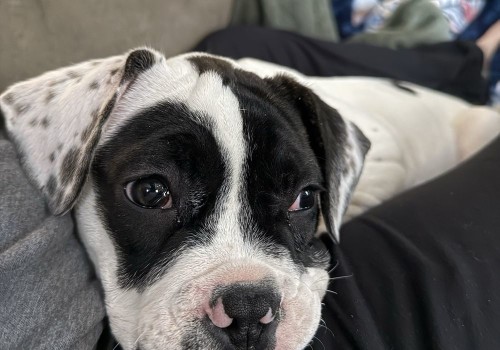
In the vibrant landscape of pet care organizations in Southern New Jersey, pet owners are often faced with a myriad of policies and requirements that can significantly impact their experience. Understanding these guidelines is crucial, especially when it comes to the spaying and neutering of pets. Many organizations prioritize the health and well-being of animals, which often translates into specific requirements regarding these procedures. Spaying and neutering are not just about population control; they play a vital role in promoting the overall health of pets. As such, many pet care organizations in Southern New Jersey have adopted policies that require pets to be spayed or neutered before they can access certain services.
This is particularly common in shelters, boarding facilities, and grooming services, where the focus is on creating a safe environment for all animals. For pet owners, navigating these requirements can be daunting. It’s essential to familiarize oneself with the specific policies of each organization, as they can vary widely. Some may offer exceptions or alternative options for pets that are not yet spayed or neutered, while others may have strict adherence to these guidelines. By understanding the spay and neuter requirements set forth by pet care organizations in Southern New Jersey, pet owners can make informed decisions that benefit both their pets and the broader community.
Overview of Pet Care Organizations in Southern New Jersey
In Southern New Jersey, a variety of pet care organizations cater to the diverse needs of pet owners and their furry companions.These organizations range from shelters and rescue groups to boarding facilities and veterinary clinics, each offering unique services that contribute to the well-being of pets.
Types of Pet Care Organizations
- Shelters and Rescue Groups: These organizations focus on the adoption and care of homeless animals. They often provide spaying and neutering services, vaccinations, and basic medical care to ensure pets are healthy before finding them a forever home.
- Boarding Facilities: For pet owners who need temporary care for their pets, boarding facilities offer a safe environment where pets can stay while their owners are away. Many of these facilities provide additional services such as grooming, training, and socialization activities.
- Veterinary Clinics: Essential for maintaining pet health, veterinary clinics in Southern New Jersey offer routine check-ups, vaccinations, and emergency care. Some clinics also provide spaying and neutering services as part of their commitment to responsible pet ownership.
While not all facilities mandate that pets be spayed or neutered prior to using their services, many shelters and rescue groups do encourage it as part of responsible pet ownership. This practice helps control the pet population and reduces the number of animals in shelters.Additionally, some boarding facilities may have policies regarding spaying or neutering, particularly for certain breeds or ages. Therefore, it is advisable for pet owners to inquire directly with the organization about their specific requirements.Overall, Southern New Jersey offers a wealth of pet services that cater to various needs, ensuring that both pets and their owners can find the right support for a happy and healthy life together.
Spaying and Neutering: What Pet Owners Need to Know
When considering pet care organizations in southern New Jersey, one of the most important aspects of responsible pet ownership is understanding the significance of spaying and neutering. These procedures not only help control the pet population but also offer numerous health benefits for your furry companions.Benefits of Spaying and Neutering
- Health Improvements: Spaying female pets can prevent uterine infections and breast tumors, which are malignant or cancerous in about 50% of dogs and 90% of cats.
Neutering male pets helps prevent testicular cancer and reduces the risk of prostate problems.
- Behavioral Benefits: Spayed and neutered pets often exhibit fewer behavioral issues. For instance, neutered males are less likely to roam in search of a mate, which can lead to dangerous situations such as accidents or fights with other animals.
- Population Control: By spaying or neutering your pet, you contribute to reducing the number of unwanted animals in shelters. This is particularly crucial in areas like southern New Jersey, where many shelters are overwhelmed with stray animals.
Responsible Pet Ownership
Being a responsible pet owner means making informed decisions that benefit both your pet and the community.
Spaying and neutering are essential steps in this journey. They not only enhance your pet's quality of life but also contribute to a healthier environment for all pets.In conclusion, understanding the benefits of spaying and neutering is vital for any pet owner. By choosing to have your pet spayed or neutered, you are taking an important step towards responsible ownership and ensuring a brighter future for pets in southern New Jersey.
Requirements for Spaying and Neutering in Southern New Jersey
When considering the use of pet care organizations in Southern New Jersey, it is crucial to understand the specific requirements regarding spaying and neutering. Many of these organizations have established policies to promote responsible pet ownership and to help control the pet population.Spay and Neuter Requirements
- Most pet care organizations in Southern New Jersey require that pets be spayed or neutered before they can participate in their programs, including boarding, daycare, and training services.
- Some organizations may allow exceptions for pets that are too young or have medical conditions that prevent them from undergoing the procedure.
- Documentation proving that a pet has been spayed or neutered is often required at the time of registration or service request.
- In addition to organizational policies, local regulations may also dictate spaying and neutering requirements.
For instance, certain municipalities in Southern New Jersey have ordinances that mandate spaying or neutering for pets adopted from shelters.
- Pet owners should check with their local animal control or municipal offices to understand any specific laws that may apply.
Exceptions to Spay and Neuter Requirements
While many pet care organizations in southern New Jersey have policies requiring pets to be spayed or neutered, there are notable exceptions that can accommodate special cases. Understanding these exceptions is crucial for pet owners who may be concerned about their pet's eligibility for services.Medical Exceptions
One of the primary exceptions involves pets with medical conditions that may complicate or contraindicate spaying or neutering.For instance, pets that are currently undergoing treatment for health issues or those with specific genetic disorders may be exempt from these requirements. In such cases, a veterinarian's documentation may be necessary to validate the pet's condition.
Age Considerations
Another common exception pertains to the age of the pet. Many organizations allow younger animals, particularly puppies and kittens, to use their services without being spayed or neutered. This is often due to the recommendation that these procedures be performed at a certain age for health and safety reasons.Behavioral Assessments
Some pet care organizations in southern New Jersey may also consider behavioral assessments when determining spay and neuter requirements.If a pet exhibits specific behavioral traits that could be negatively impacted by surgery, such as anxiety or aggression, the organization might allow for an exemption. In these cases, a thorough evaluation by a qualified professional is typically required.
Temporary Exceptions
Additionally, there are instances where temporary exceptions can be made. For example, if a pet owner is in the process of adopting a new pet and the organization has a policy of allowing a grace period before spaying or neutering is mandated, this can provide flexibility for new pet parents.Ultimately, it’s essential for pet owners to communicate openly with their chosen pet care organization in southern New Jersey. By discussing individual circumstances and providing any necessary documentation, pet owners can better understand the options available to them and ensure their pets receive the care they need without unnecessary barriers.Frequently Asked Questions About Spaying and Neutering Pets
When considering the use of pet care organizations in southern New Jersey, many pet owners have questions regarding the spaying and neutering of their pets.Here are some frequently asked questions that can help clarify these concerns.
- Do pets need to be spayed or neutered to use pet care services?
While not all pet care organizations in southern New Jersey require pets to be spayed or neutered, many do have policies in place that encourage it. This is often to promote responsible pet ownership and reduce the number of unwanted animals. - What are the benefits of spaying or neutering my pet?
Spaying and neutering can lead to numerous health benefits, including a reduced risk of certain cancers and behavioral issues. Additionally, it helps control the pet population, which is a significant concern for many shelters and rescue organizations. - Are there any exceptions to spay/neuter requirements?
Some pet care organizations may make exceptions for pets that are too young, have health issues, or are part of a breeding program. It’s best to check with the specific organization for their policies. - How can I find low-cost spay/neuter services?
Many local animal shelters and veterinary clinics offer low-cost spay/neuter programs.Additionally, some pet care organizations in southern New Jersey may provide financial assistance or resources to help cover these costs.
Conclusion: The Importance of Understanding Spay and Neuter Policies
Understanding the spay and neuter policies of pet care organizations in Southern New Jersey is crucial for pet owners. These policies not only reflect the organization's commitment to responsible pet ownership but also play a significant role in the overall health and well-being of pets.Many pet care organizations require pets to be spayed or neutered as a condition for services such as boarding, grooming, or daycare. This requirement is often in place to:- Prevent Overpopulation: Spaying and neutering help reduce the number of unwanted animals, which is a significant issue in many communities.
- Enhance Health: Altered pets tend to have fewer health issues, including certain cancers and behavioral problems.
- Promote Safety: Neutered males are less likely to exhibit aggressive behaviors or roam, which can lead to accidents or injuries.
By understanding the importance of spaying and neutering, pet owners can ensure they are aligning with the values of pet care organizations in Southern New Jersey, ultimately benefiting their furry companions and the broader animal welfare landscape.