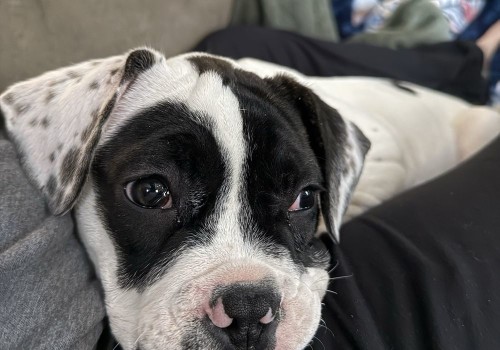
In the vibrant region of Southern New Jersey, pet care organizations play a crucial role in ensuring the health and well-being of our furry companions. With a diverse array of services ranging from grooming and boarding to veterinary care, these organizations are essential for pet owners seeking reliable support. However, one critical aspect that often comes into play is the vaccination requirements for pets. Understanding these policies is vital for pet owners who want to ensure their pets are not only healthy but also compliant with local regulations.
Additionally, recognizing the Importance of a Separate Waiting Area for pets can significantly enhance their comfort during visits. Many pet care organizations in Southern New Jersey have established specific Additionally, recognizing the Importance of a Separate Waiting Area for pets can significantly enhance their comfort during visits. Many pet care organizations in Southern New Jersey have established specific pet care policies that include proof of vaccinations as a prerequisite for services. This requirement is designed to protect not only the individual pets but also the broader community by preventing the spread of contagious diseases. For instance, vaccinations against rabies, distemper, and parvovirus are commonly mandated, reflecting a commitment to public health and safety. As a responsible pet owner, being aware of these vaccination requirements can help you make informed decisions about where to take your pets for care. Whether you are considering a new daycare facility or planning a visit to a local veterinarian, understanding the pet care organizations in Southern New Jersey and their vaccination policies will ensure that your beloved animals receive the best possible care while adhering to necessary health standards.
Overview of Pet Care Organizations in Southern New Jersey
In Southern New Jersey, a variety of pet care organizations cater to the diverse needs of pet owners and their furry companions.These organizations play a crucial role in ensuring the health, safety, and well-being of pets in the community.
Types of Pet Care Organizations
- Shelters and Rescues: These organizations focus on providing a safe haven for abandoned or stray animals. They often offer adoption services, fostering programs, and community outreach to promote responsible pet ownership.
- Veterinary Clinics: Essential for maintaining pet health, veterinary clinics in Southern New Jersey provide routine check-ups, vaccinations, and emergency care. Many clinics also offer wellness programs and preventive care to keep pets healthy.
- Boarding Facilities: For pet owners who travel or need temporary care for their pets, boarding facilities offer a safe environment where pets can stay while receiving proper care and attention. These facilities often provide playtime, socialization, and even grooming services.
- Grooming Services: Grooming is an important aspect of pet care that helps maintain hygiene and comfort.
Many organizations offer grooming services that include bathing, nail trimming, and coat styling.
Importance of Vaccinations for Pets
Vaccinations play a vital role in ensuring the health and longevity of pets.For pet owners in southern New Jersey, understanding the importance of pet vaccinations is essential not only for their pets' well-being but also for the safety of the community.One of the primary health benefits of vaccinations is the prevention of serious diseases that can affect pets. Common illnesses such as parvovirus, distemper, and rabies can be life-threatening and are often preventable through timely vaccination. By vaccinating pets, owners significantly reduce the risk of these diseases spreading within local populations.
Types of Vaccinations for Pets
- Core Vaccines: These are essential for all pets and include vaccines against rabies, distemper, and parvovirus. Core vaccines are recommended by veterinarians as they protect against highly contagious and severe diseases.
- Non-Core Vaccines: Depending on a pet's lifestyle and environment, additional vaccines may be recommended.
These can include vaccines for Lyme disease, Bordetella (kennel cough), and leptospirosis.
Do Pet Care Organizations Require Proof of Vaccinations?
When considering pet care organizations in Southern New Jersey, one of the most frequently asked questions is whether these facilities require proof of vaccinations for pets.The answer is generally yes, as many organizations prioritize the health and safety of all animals in their care.
Vaccination policies
can vary significantly between different types of pet care organizations, including shelters, boarding facilities, and grooming services. However, most reputable organizations will have specific requirements in place to ensure that all pets are vaccinated against common diseases.Common Vaccination Requirements
- Dogs: Typically, proof of rabies, distemper, and bordetella vaccinations is required.
- Cats: Most organizations will ask for proof of rabies and feline distemper vaccinations.
- Other Pets: For exotic pets or small mammals, specific vaccination requirements may vary.
This proactive approach ensures a smooth admission process and helps maintain a healthy environment for all animals involved.
Variations in Vaccination Requirements Among Different Organizations
When it comes to pet care organizations in southern New Jersey, vaccination requirements can significantly differ based on the type of organization. Understanding these variations is crucial for pet owners who want to ensure their furry friends are compliant with local health standards.Shelters and Rescue Organizations
- Many animal shelters and rescue organizations typically require proof of vaccinations before adopting out pets. This policy is in place to protect both the animals and the community from potential outbreaks of diseases.
- Common vaccinations required may include rabies, distemper, and parvovirus, among others. These organizations often prioritize the health of their animals and the families that will adopt them.
Boarding Facilities
- In contrast, boarding facilities may have different vaccination policies.
While most reputable boarding services require proof of vaccinations, the specific vaccines needed can vary widely.
- Some facilities may only require rabies and distemper, while others might also ask for Bordetella (kennel cough) vaccinations, especially if they house multiple pets.
Veterinary Clinics
- Veterinary clinics in southern New Jersey often have their own set of requirements for pets visiting for routine check-ups or procedures. They typically adhere to state regulations regarding vaccinations but may also recommend additional vaccines based on the pet's lifestyle.
- This can include vaccines for Lyme disease or leptospirosis, particularly for pets that spend a lot of time outdoors or in contact with other animals.
Frequently Asked Questions About Pet Vaccinations and Care Organizations
When it comes to pet care organizations in southern New Jersey, many pet owners have questions regarding vaccination requirements. Here are some frequently asked questions that can help clarify these policies.Do pet care organizations require proof of vaccinations?
Yes, most pet care organizations in southern New Jersey do require proof of vaccinations for pets.This is to ensure the health and safety of all animals in their care. Common vaccinations that may be required include:
- Rabies
- Distemper
- Parvovirus
- Bordetella (Kennel Cough)
What happens if my pet is not vaccinated?
If your pet is not vaccinated, many organizations may not allow them to participate in services such as boarding, daycare, or grooming. This policy helps prevent the spread of contagious diseases among pets.How can I provide proof of vaccination?
Proof of vaccination can typically be provided through a certificate from your veterinarian. This document should include:- Your pet's name and identification details
- The type of vaccinations received
- The dates when the vaccinations were administered
- The veterinarian's signature or stamp
Are there exceptions to vaccination requirements?
Some pet care organizations in southern New Jersey may allow exceptions for pets with medical conditions that prevent them from being vaccinated.In such cases, a letter from your veterinarian may be required to confirm the exemption.Understanding these policies can help ensure a smooth experience for both you and your pet when utilizing the services of local pet care organizations.
Conclusion: Key Takeaways on Vaccination Requirements for Pets in Southern New Jersey
In summary, understanding the vaccination requirements for pets is crucial for pet owners in southern New Jersey.Pet care organizations in southern New Jersey
often have specific policies regarding vaccinations that are designed to protect both the animals and the community.Here are the key takeaways regarding vaccination requirements:- Proof of Vaccination: Most pet care organizations require proof of vaccinations before accepting pets for services such as boarding, grooming, or daycare. This is to ensure the health and safety of all animals involved.
- Common Vaccinations: The typical vaccinations required include rabies, distemper, and bordetella. These vaccines help prevent the spread of contagious diseases among pets.
- Local Regulations: Some local laws may mandate certain vaccinations, which can influence the policies of pet care organizations.
It’s essential for pet owners to be aware of these regulations.
- Consultation with Veterinarians: Pet owners should regularly consult with their veterinarians to stay updated on vaccination schedules and any new requirements that may arise.
- Documentation: Keeping a well-organized record of your pet's vaccination history can facilitate smoother interactions with pet care organizations.